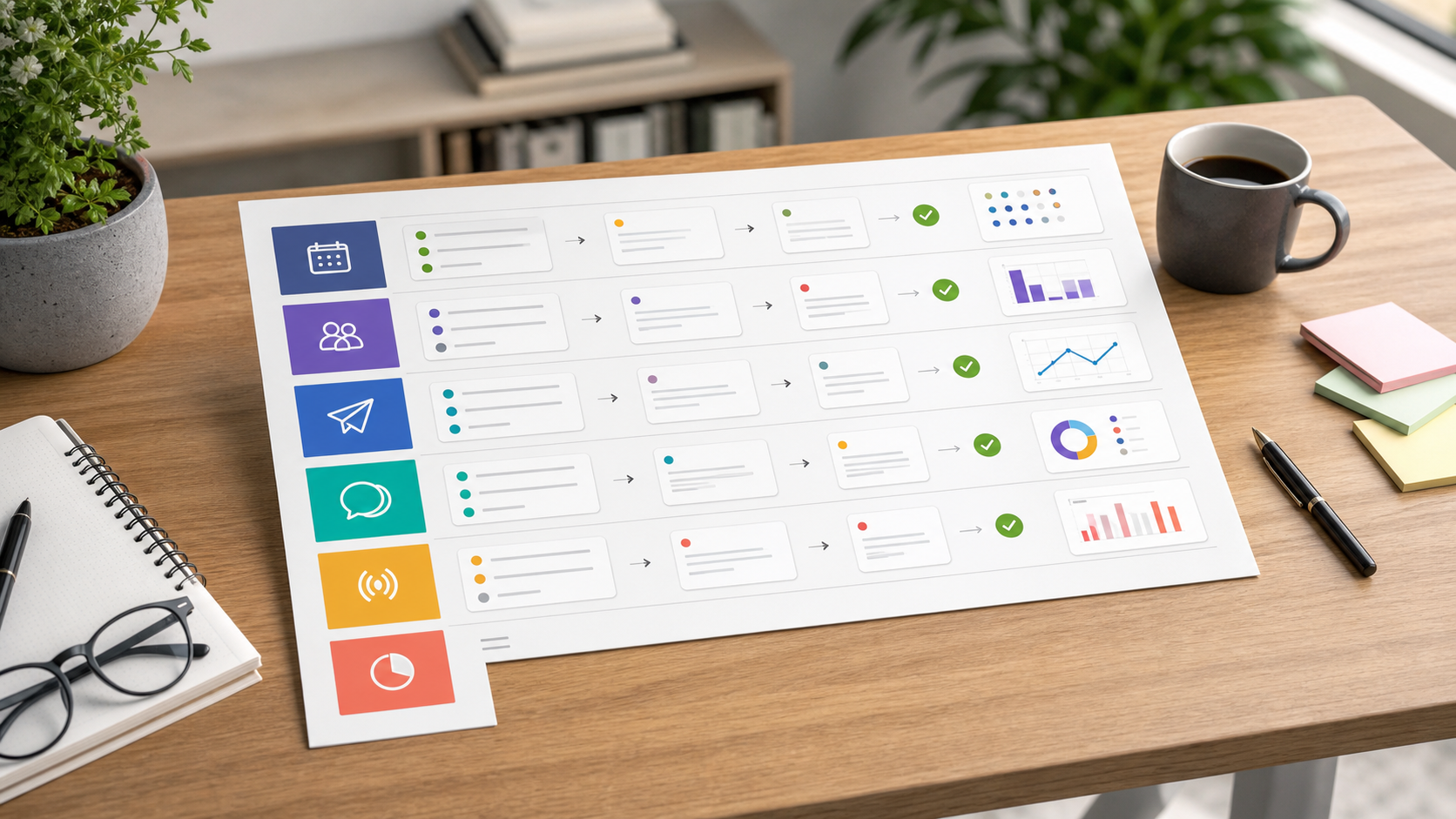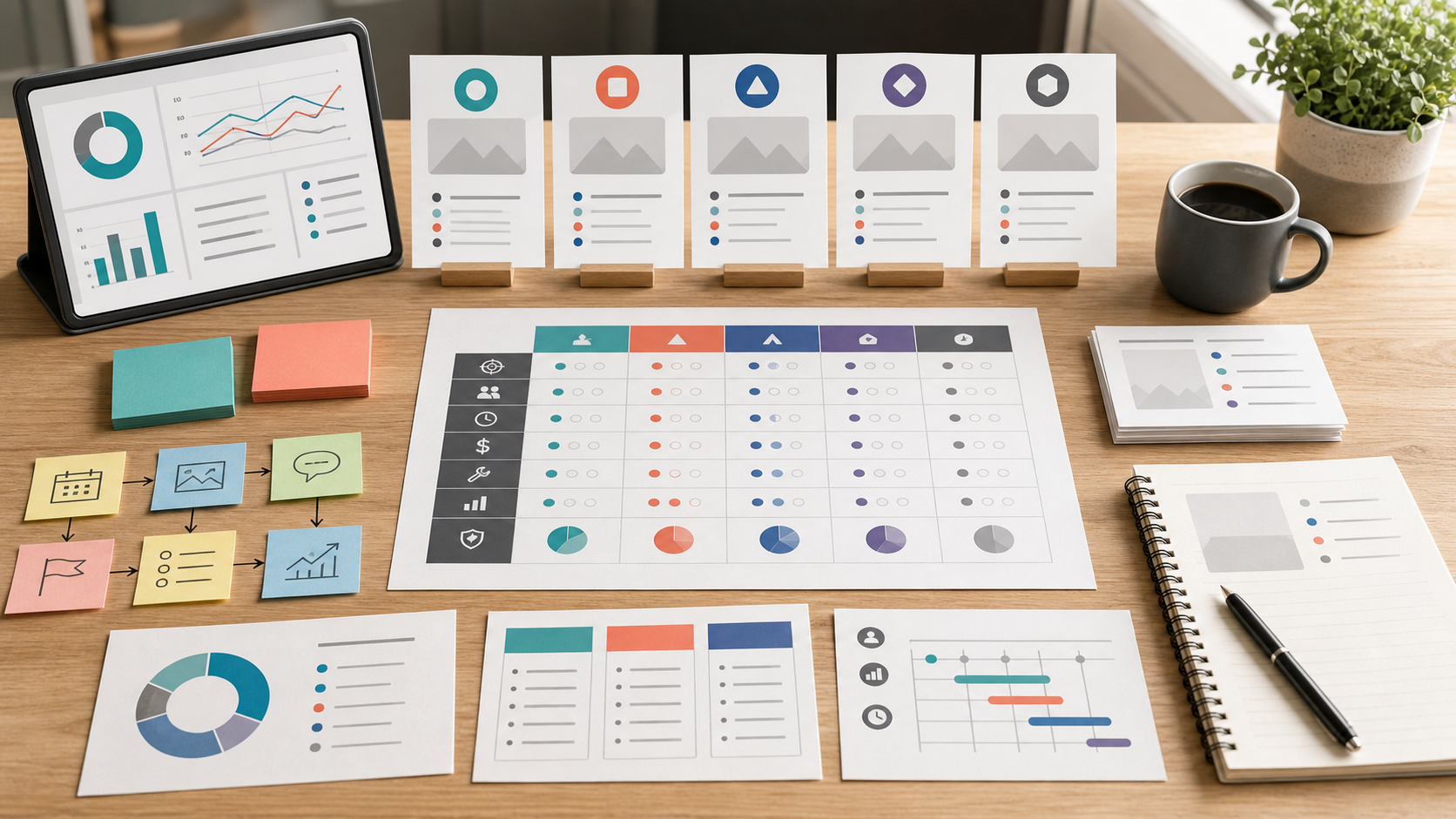
StayingSocial compares tools by the operating problem they solve first. This Later versus Buffer guide separates media-first planning from queue-first scheduling so buyers can avoid choosing by brand recognition alone. Affiliate links may support the site, but the comparison is based on workflow fit, pricing shape, and limits. Our about page and editorial policy describe the editorial process.
Later and Buffer both help teams publish social content, but they solve different operating problems. Later is media-first: it fits teams that plan around visual assets, creator campaigns, and link-in-bio journeys. Buffer is queue-first: it fits teams that want a calm, low-friction way to schedule content across channels.
Source basis and scope
This comparison uses official pricing and feature pages, third-party review context, and community feedback. We do not claim private head-to-head testing. Use official pages for current pricing and feature packaging before buying.
- Later pricing
- Later social media scheduler
- G2 Later pricing
- PostPlanify Later pricing analysis
- Reddit Later user warning
- Buffer pricing
- Buffer plan features
- G2 Buffer reviews
- TechRadar Buffer review
- Reddit scheduling discussion
The sources show the core split clearly. Later's official pages emphasize visual scheduling, social sets, and creator resources. Buffer's official and third-party context emphasizes simple scheduling, channel-based pricing, and a clean workflow for small teams.
Quick verdict
Choose Later if your campaign starts with assets. Choose Buffer if your campaign starts with a queue. That distinction matters more than minor feature overlap. A visual ecommerce team and a founder-led B2B team can both need scheduling, but they need different planning surfaces.
For wider context, read our Later review, Buffer review, best social media management tools, and free trial comparison guide. Those guides help decide whether this is a two-tool comparison or whether the team actually needs a broader suite.

Comparison table
| Decision point | Later | Buffer |
|---|---|---|
| Best fit | Visual brands, creators, ecommerce, media-heavy campaigns | Creators, founders, small teams, simple cross-channel scheduling |
| Planning style | Asset and calendar planning | Queue and channel planning |
| Pricing lens | Social sets, users, post limits, analytics lookback, add-ons | Channel count, users, collaboration needs |
| Strongest workflow | Visual campaign planning and link-in-bio paths | Lightweight weekly publishing rhythm |
| Watch out for | Media-format reliability and plan limits | Outgrowing into approvals, inbox, or listening needs |
| Upgrade trigger | More social sets, collaboration, analytics, or inbox | More channels, team access, analytics, and reporting |
When Later is the better fit
Later is the better fit when content planning is visual before it is operational. If the team batches product visuals, creator clips, campaign assets, and link-in-bio destinations, Later gives that work a more natural home. The buyer can see the campaign, organize media, and schedule from a workflow that resembles content production rather than a generic task list.
Later also fits teams that think in social sets. A creator or brand may need Instagram, TikTok, Pinterest, YouTube, LinkedIn, Facebook, and related profiles to work together as one social surface. The official pricing page makes those limits central, so the buyer should model the real profile set carefully.
The risk is assuming visual planning solves everything. If the team needs deep listening, service-level inbox ownership, or formal management reporting, Later may need to sit beside another tool.
When Buffer is the better fit
Buffer is the better fit when the team wants to reduce daily publishing friction. A founder, creator, or small marketer can define channels, write posts, schedule them, and review basic results without adopting a larger suite. That makes Buffer more comfortable when the team values speed, clarity, and a lighter subscription shape.
Buffer also fits teams that do not need visual merchandising. If the campaign is mostly text posts, short updates, simple creative, or cross-channel thought leadership, a queue may be more efficient than a media-led planner.
The risk is underbuying the workflow. A team can pick Buffer because it is simpler, then discover that approvals, comments, reporting, or listening still happen elsewhere. In that case the lower subscription does not capture the full operating cost.

Pricing comparison method
Do not compare only the lowest plan. Later and Buffer price different operating units. Later buyers should model social sets, users, post limits, analytics lookback, inbox, approvals, and add-ons. Buffer buyers should model channels, team access, analytics, and how quickly profile count may grow.
Use one shared campaign to evaluate both tools. Prepare the same assets, post copy, channels, approval step, and reporting question. If Later makes asset organization and preview easier, it has the stronger case. If Buffer gets the same work scheduled with fewer decisions, it has the stronger case.
Community feedback is useful here because it surfaces the practical pain that feature grids miss: reliability, support, cost creep, and whether teams actually save time after the first week.
Recommendation by team type
| Team type | Better first trial | Why |
|---|---|---|
| Solo creator with visual-heavy posts | Later | Asset planning and link-in-bio matter more than queue simplicity |
| Founder-led B2B account | Buffer | A simple queue is usually enough |
| Ecommerce brand with product drops | Later | Visual calendar and campaign merchandising are central |
| Small agency with many simple profiles | Buffer, then compare alternatives | Channel math and user access need modeling |
| Team needing approvals and reports | Neither as the only option | Compare broader approval and reporting tools first |
Editorial recommendation
Later and Buffer are both credible, but they should not be evaluated as interchangeable schedulers. The best choice follows the first object in the workflow: media asset or post queue.
If neither tool resolves the workflow after one real campaign, the team is probably not shopping for a scheduler. It may need an approval, inbox, listening, or reporting platform instead.
For this comparison, avoid abstract feature scoring. Run the same campaign through a media-first path and a queue-first path, then choose the tool that makes ownership clearer. If neither path solves approvals, reporting, or inbox work, move from this two-tool question to our approval-focused tools and social stack checklist.
Operating scenarios to run before choosing
The cleanest way to compare Later and Buffer is to run the same campaign through two operating models. In the Later model, start with assets: visuals, short clips, product notes, creator materials, and link destinations. In the Buffer model, start with the publishing queue: channels, post copy, schedule, owner, and performance check. The better tool is the one that matches where the team's work naturally begins.
For a creator-led business, the comparison often turns on asset complexity. If the creator spends more time organizing media, previewing posts, and connecting social traffic to a link-in-bio destination, Later may reduce more friction. If the creator spends more time turning one idea into several channel-specific posts, Buffer may feel faster and calmer.
For a founder-led B2B company, the comparison often tilts toward Buffer. The posts may be text-heavy updates, thought leadership, event notes, and repurposed content from newsletters or webinars. A visual planning surface can still help, but it may not be the main work. The founder usually benefits from seeing the next two weeks of posts without managing a large media library.
For ecommerce teams, the answer is less automatic. Product drops and creator assets can make Later attractive, but multi-channel publishing consistency can make Buffer attractive. The team should include one campaign with product images, video, captions, UTM needs, and a simple report question. If link-in-bio and asset review drive the work, Later has the stronger case. If queue control and channel adaptation drive the work, Buffer has the stronger case.
Plan limits should be compared in the team's language. Later buyers should model social sets, users, post volume, analytics lookback, and add-ons. Buffer buyers should model channels, collaborators, analytics needs, and likely profile growth. A plan that appears cheaper may be wrong if it forces the team to split work across native apps or separate trackers.
Use this scorecard during a real evaluation cycle:
| Decision checkpoint | Later signal | Buffer signal |
|---|---|---|
| First object | Assets and media library | Posts and queue |
| Campaign type | Visual, creator, ecommerce | Text-led, cross-channel, recurring |
| Plan risk | Social sets or media limits | Channel count or collaboration limits |
| Reporting need | Campaign and visual content review | Basic publishing and post performance |
| Upgrade warning | Broader suite needs appear | Approvals or inbox needs appear |
The comparison should end with a written reason, not a preference for interface style. Later wins when the media workflow becomes clearer. Buffer wins when the publishing workflow becomes calmer. If the real pain is approval, inbox, listening, or reporting, the team should stop treating this as a scheduler choice and compare broader tools.
Decision guardrails
The Later versus Buffer decision should be grounded in the first work object. If the team starts with assets, shoots, creator files, product photos, and link destinations, Later is more likely to match the process. If the team starts with ideas, channel copy, publishing cadence, and a simple weekly queue, Buffer is more likely to match the process. Buyers should write that starting point before comparing prices because the wrong starting point makes every later feature comparison noisy.
The second guardrail is the campaign type. A product launch with visual assets may make Later valuable, while a thought-leadership calendar may make Buffer more efficient. Run one campaign that reflects the next quarter, not a generic sample. If the campaign is mostly text and recurring updates, a media library may be extra weight. If the campaign depends on visual sequencing and link paths, a plain queue may hide important context.
The third guardrail is the point where both tools stop being enough. If approval chains, inbox ownership, customer-care escalation, social listening, or management reporting are the real bottlenecks, the buyer should stop forcing a scheduler decision. Later and Buffer can still be part of the stack, but the primary purchase may need to be Hootsuite, Sprout Social, or a team workflow tool. Knowing when the comparison is the wrong frame saves money.
Implementation notes
After choosing Later or Buffer, the team should write down what the losing tool did better. This prevents the winner from being treated as perfect. Later may win on media planning while Buffer remains cleaner for simple queue work. Buffer may win on publishing rhythm while Later remains stronger for visual merchandising. Those tradeoffs matter when the workflow changes later.
The first month should also include a boundary statement. Decide which work belongs in the chosen tool and which work stays elsewhere. For example, a Buffer workflow may still keep detailed asset storage outside the tool, while a Later workflow may still handle advanced reporting elsewhere. Clear boundaries reduce frustration because the team stops expecting one scheduler to solve every social operations problem.
Revisit the choice when the campaign mix changes. A creator who adds ecommerce drops may need stronger visual planning. A visual brand that adds management reporting may need a suite. A B2B team that adds more channels may need different profile math. The right scheduler is tied to the current operating model, not to permanent brand loyalty.
FAQ
Is Later or Buffer cheaper?
The cheaper choice depends on the operating unit. Later uses social sets, users, post limits, analytics depth, and add-ons. Buffer is strongly affected by channel count and team needs. A small visual creator may prefer Later's package, while a small cross-channel team may prefer Buffer. Model your actual profiles before comparing prices.
Which is better for Instagram and TikTok?
Later is usually the better first trial when Instagram and TikTok visuals drive the campaign. Its visual planning and creator-oriented workflow match that use case. Buffer can still work for publishing consistency, especially if the team wants simple cross-channel scheduling instead of a media planning surface.
Which is better for a small business?
A small business should choose based on workflow, not brand name. If the business posts simple updates across several channels, Buffer is often easier to operate. If social content is product-led, visual, and linked to campaigns or creator assets, Later may be stronger. Validate one real campaign before buying annually.
When should I skip both?
Skip both as the primary platform when the core pain is advanced approvals, shared inbox ownership, social listening, or executive reporting. Later and Buffer can help publish content, but those broader workflows usually require Hootsuite, Sprout Social, or another suite designed around team operations.